
Questions to Ask Sleep Doctors About Sleep Apnea
Sleep apnea is a condition that can interfere with breathing during sleep, disrupt rest, and affect overall health. Although loud snoring is a common warning sign, symptoms can also include morning headaches, daytime fatigue, difficulty concentrating, and waking up gasping for air. Because these symptoms may overlap with other conditions, determining whether sleep apnea is responsible often requires professional evaluation. Consulting experienced sleep doctors can help patients understand their symptoms, explore diagnostic options, and learn about available treatments. Preparing questions before an appointment makes it easier to discuss concerns and understand recommendations. Knowing what to ask can also help patients participate more actively in decisions about their sleep health.
1. Asking About Common Symptoms and Risk Factors
One of the first questions to ask is whether your symptoms suggest sleep apnea or another sleep-related condition. Obstructive sleep apnea occurs when the upper airway repeatedly becomes blocked during sleep, while central sleep apnea involves disruptions in the brain's signals that control breathing. Both conditions can interfere with normal sleep, but their causes and treatment approaches differ. Understanding these distinctions can help patients recognize why a thorough medical evaluation is necessary before reaching conclusions about their symptoms.
Patients should also ask which personal factors may increase their likelihood of developing sleep apnea. Excess body weight, certain anatomical characteristics, age, and family history can influence risk. However, the condition can affect people who do not have these characteristics. Discussing snoring patterns, nighttime awakenings, medication use, and existing medical conditions provides additional context. Bringing observations from a household member may also be useful because breathing interruptions can occur without the affected person remembering them.
2. Discussing Available Diagnostic Testing Options
Understanding how sleep apnea is diagnosed is an important part of preparing for treatment. According to CPAP.com, more than 30 million Americans have sleep apnea, but many cases go undetected, emphasizing the important role sleep doctors play in identifying and treating the condition early. Patients can ask whether their symptoms warrant a sleep study and what the testing process involves. A clinician may recommend an overnight study at a sleep center or, for certain patients, a home sleep apnea test.
Different testing methods collect different information. An in-laboratory sleep study can monitor breathing, oxygen levels, heart activity, and other measurements while a person sleeps. Home testing generally collects a more limited set of information and is not appropriate for every situation. Patients should ask which method is suitable for their medical history and whether additional testing might be necessary. Understanding what happens before, during, and after testing can reduce uncertainty and help patients prepare for the experience.
3. Understanding the Severity of Your Condition
If testing confirms sleep apnea, patients should ask how severe their condition is and what the results mean. One commonly used measurement is the apnea-hypopnea index, which estimates the average number of qualifying breathing disturbances per hour of sleep. Clinicians consider this information alongside oxygen levels, symptoms, and other findings. A numerical result provides useful information, but it does not describe every aspect of a patient's health or determine treatment decisions on its own.
Ask how your results relate to daytime functioning and potential health concerns. Untreated obstructive sleep apnea is associated with conditions such as high blood pressure and cardiovascular problems, although individual risks vary. Patients may also experience impaired concentration or excessive sleepiness that affects driving and workplace safety. Understanding the significance of test findings helps patients recognize why treatment may be recommended even when symptoms seem manageable. It also provides a starting point for discussing realistic treatment goals.
4. Exploring Different Treatment Approaches
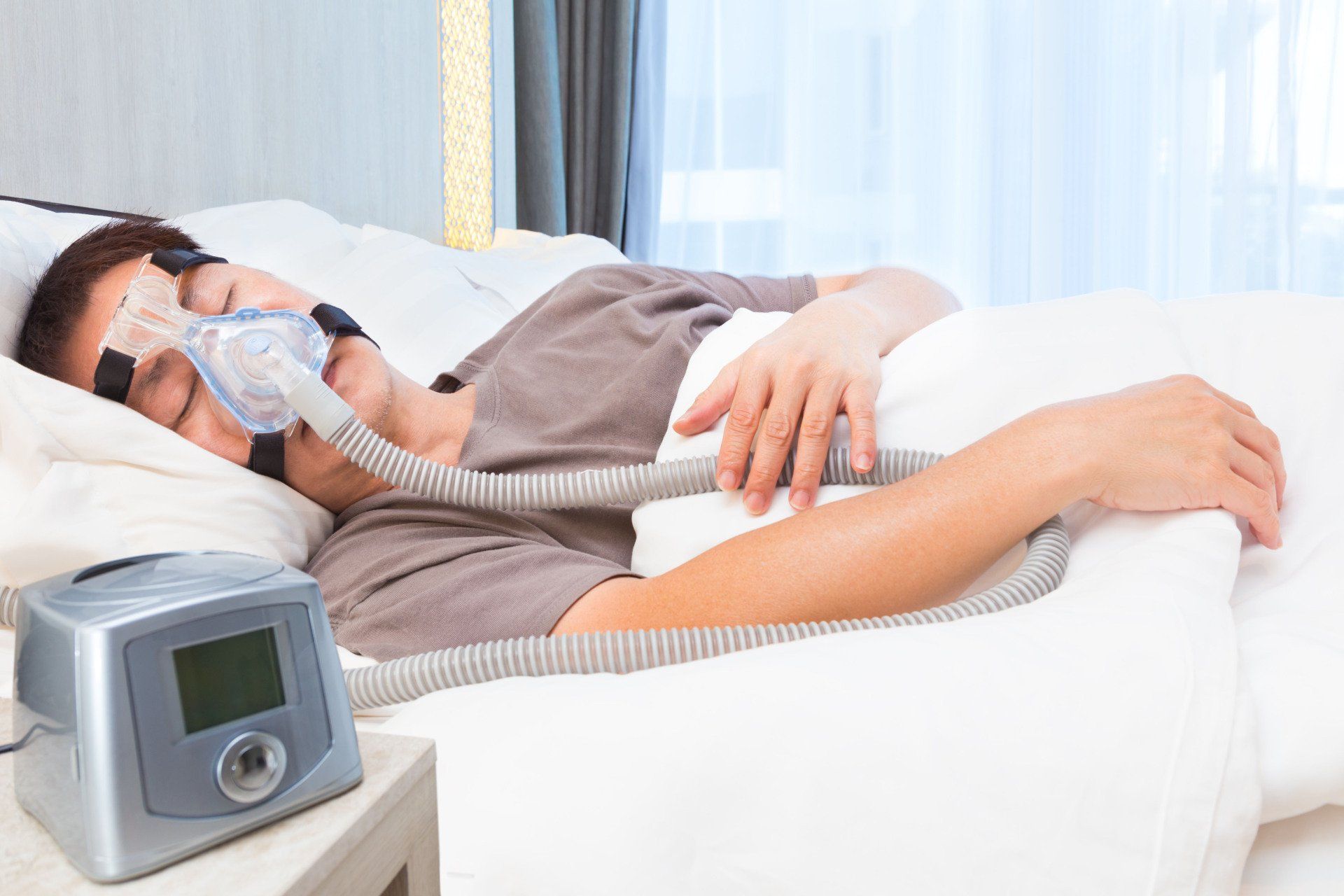
Patients should ask which treatments are appropriate for their specific diagnosis and circumstances. Continuous positive airway pressure, commonly called CPAP, is a frequently prescribed treatment for obstructive sleep apnea. It uses pressurized air to help keep the airway open during sleep. However, other approaches may be considered depending on the condition's severity, anatomical factors, medical history, and patient preferences. Sleep doctors can explain the potential benefits and limitations of different options before recommending a treatment plan.
Alternatives may include oral appliances, positional therapy, weight management, or selected surgical procedures. Some patients may benefit from combinations of treatments, while others require specialized care for central sleep apnea or additional medical conditions. Ask how each recommended approach works, what results are realistic, and whether it addresses the underlying breathing problem. Patients should also discuss costs, equipment requirements, and potential side effects. These questions help clarify which options are medically appropriate and practical for everyday use.
5. Preparing for CPAP Therapy and Equipment Adjustments
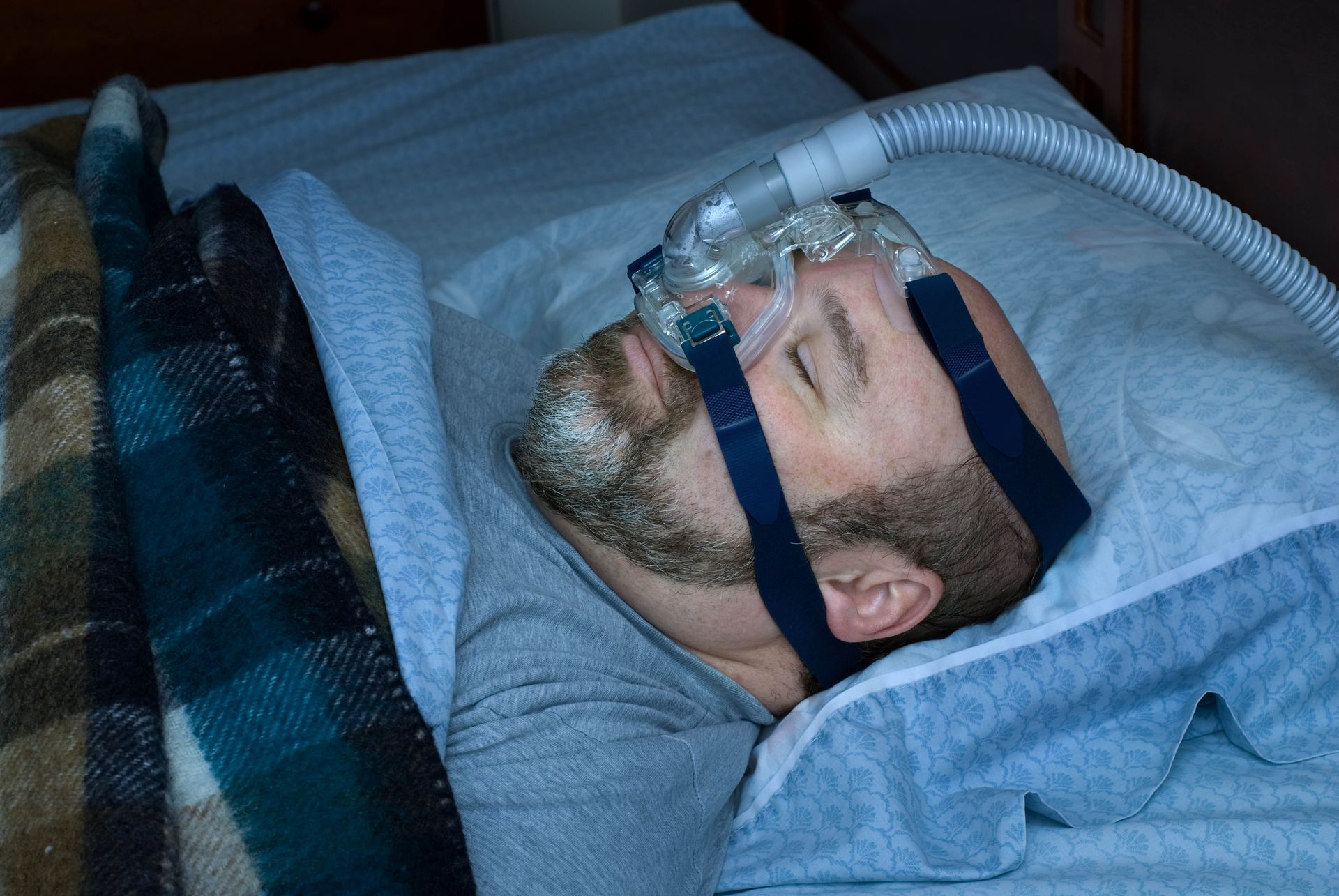
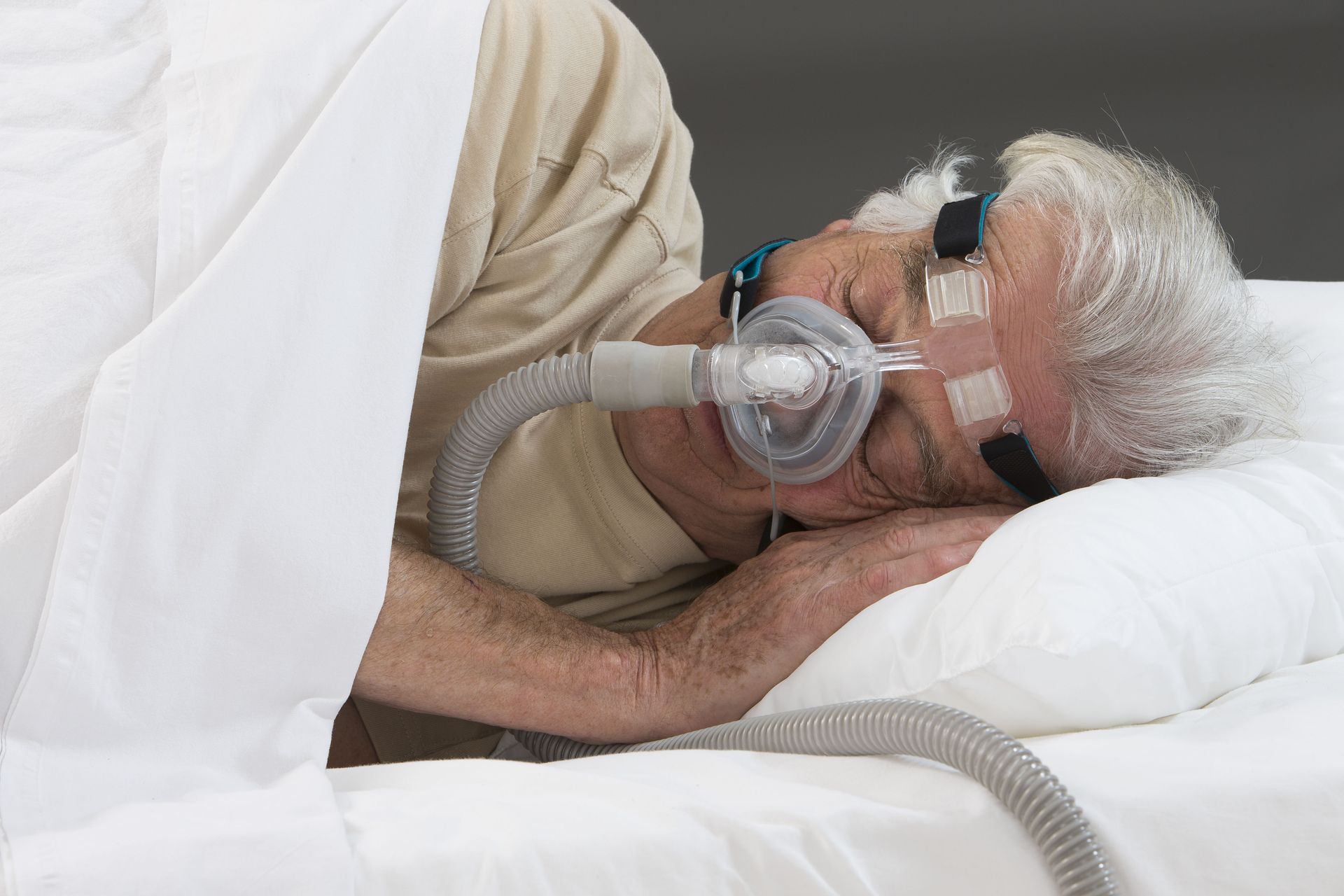
When CPAP therapy is recommended, patients should ask what to expect during the adjustment period. Wearing a mask while sleeping can feel unfamiliar, and some people initially experience dryness, air leaks, or discomfort. Different mask styles and equipment settings may help address these concerns. Rather than discontinuing treatment independently, patients should report difficulties and request guidance. A properly fitted mask and appropriate equipment settings can make treatment more comfortable and support consistent use.
Sleep doctors can also explain how treatment effectiveness is monitored. Many modern devices record information about usage, air leaks, and residual breathing disturbances. Patients should ask how these measurements are interpreted and whether equipment adjustments might be necessary. Cleaning procedures, replacement schedules, and travel considerations are also worth discussing. Understanding daily equipment responsibilities can help patients establish manageable routines. If symptoms continue despite regular treatment, a follow-up evaluation may identify issues that require attention.
6. Identifying Helpful Lifestyle and Sleep Habit Changes
Medical treatment is often the central component of managing sleep apnea, but certain lifestyle changes may provide additional benefits. Patients can ask whether sleeping position, alcohol consumption, tobacco use, or weight management affects their particular condition. Alcohol and some sedating medications can worsen breathing problems during sleep. However, patients should never stop prescribed medications without consulting the appropriate clinician. Recommendations should account for individual health needs rather than relying on general advice that may not apply to everyone.
Consistent sleep habits can also support overall rest and daytime functioning. Maintaining regular bedtimes, allowing sufficient time for sleep, and addressing environmental disruptions may help improve sleep quality. However, these measures do not replace prescribed treatment for clinically significant sleep apnea. Patients should ask which changes are likely to be useful alongside their medical care. Discussing realistic goals makes it easier to adopt sustainable habits without expecting lifestyle adjustments alone to resolve every breathing disturbance.
7. Planning Follow-Up Visits and Long-Term Monitoring
Sleep apnea management may require ongoing evaluation, particularly when symptoms change or treatment difficulties arise. Patients should ask how frequently follow-up appointments are recommended and which warning signs warrant earlier attention. Persistent daytime sleepiness, difficulty tolerating equipment, or continued breathing disturbances may indicate that treatment needs reassessment. Changes in body weight, medications, or other health conditions can also influence care. Establishing a follow-up plan helps patients understand when to seek guidance rather than making adjustments independently.
It is also important to ask how treatment progress will be measured over time. Sleep doctors may review symptoms, equipment data, and other clinical information to determine whether treatment is meeting its goals. Patients can prepare for appointments by documenting sleep patterns, daytime alertness, and concerns about their equipment. They should also ask whether repeat testing might become necessary under certain circumstances. Ongoing communication supports informed decisions and helps ensure that treatment remains appropriate as individual needs change.
Asking thoughtful questions can make sleep apnea evaluations and treatment discussions more productive. Understanding symptoms, diagnostic testing, condition severity, available therapies, and long-term monitoring helps patients make informed decisions about their care. It is equally important to discuss treatment challenges, lifestyle considerations, and expectations for improvement. Working with qualified sleep doctors provides an opportunity to address concerns and develop an individualized approach to managing sleep-related breathing problems. If you are experiencing symptoms of sleep apnea or have questions about testing and treatment, contact Pulmonary & Sleep Medicine Associates, LLP today to schedule a consultation.






Share On: