
How to Prepare For Your First Consultation at The Sleep Doctors Office
Visiting sleep doctor offices can be an important step when ongoing sleep problems begin affecting daily life. Preparing ahead of time helps you make the most of your appointment and gives your doctor the information needed to evaluate symptoms and recommend next steps. From documenting sleep patterns to organizing questions, a little preparation can make consultations at sleep doctor offices far more productive.
Gathering Your Medical History
One of the first steps in preparing for appointments at sleep doctor offices is documenting your sleep patterns. Maintaining a sleep diary for a few weeks prior to your visit provides valuable insights into your sleep habits. Record the times you go to bed and wake up, along with any night awakenings and feelings of restfulness. Note any daytime symptoms like fatigue or concentration issues, as these can inform diagnosis. This documented history is a key resource for your doctor to understand your unique sleep challenges.
Accurate records of your current medications are essential for your sleep doctor's assessment. Many medications can interfere with sleep quality or contribute to conditions like insomnia. Bring a detailed list of all prescription, over-the-counter, and herbal supplements you are taking. Note their dosages and administration schedules to inform your doctor's decisions. Understanding the interactions between medications and sleep is integral to tailoring your treatment plan effectively.
Assessing your sleep environment and habits provides additional context for your doctor. Evaluate factors such as noise levels, room temperature, and bedding comfort, all of which can impact sleep quality. Consider aspects like light exposure, screen time, and pre-bedtime routines, as these often influence sleep patterns. Identifying these elements helps your doctor suggest lifestyle adjustments that can enhance sleep. An optimized sleep environment is a crucial component of achieving restful sleep.
Stress and lifestyle changes can significantly affect sleep, making it vital to discuss recent stressors during your consultation. Events such as job changes, relocations, or personal losses can disrupt sleep patterns. Record any stressful events or changes in your life that might coincide with sleep issues. Open discussions about emotional or psychological concerns are also important, as these can impact sleep significantly. By recognizing these factors, your sleep doctor can develop a more holistic treatment approach.
Family history contributes vital information, as many sleep disorders can have genetic components. Inquire about any relatives who have had sleep-related issues, such as insomnia or sleep apnea. Understanding hereditary patterns helps your sleep doctor assess potential risk factors. This can guide preventative measures and treatments tailored to your genetic predispositions. Being informed about family history enhances the accuracy of your diagnostic process at sleep doctor offices.
Preparing Questions in Advance
Addressing common concerns with your sleep doctor helps create a productive conversation during visits to sleep doctor offices. Questions about the impact of sleep disorders on general health and daily life are important to discuss. Inquire about specific symptoms that might warrant medical intervention, such as persistent snoring or fatigue. According to John Hopkins University, an estimated 45% of adults snore occasionally, while 25% snore regularly, impacting sleep quality and potentially indicating underlying disorders. Identifying all concerns ahead of your appointment encourages a comprehensive discussion with your doctor.
Clarifying your symptoms is fundamental to helping your sleep doctor pinpoint potential disorders. Distinguish between symptoms occurring during sleep, like snoring, and those present during the day, such as excessive drowsiness. Understanding how these symptoms affect your daily life improves diagnostic accuracy. Providing specific details about symptom frequency and severity facilitates targeted treatment options. Documenting symptoms over time helps highlight trends your sleep doctor should address.
Understanding possible treatment avenues is vital for managing sleep disorders effectively. During your consultation, discuss available options ranging from lifestyle changes to medications or therapy. Ask your doctor about the efficacy and potential side effects of each treatment. Learn about any complementary therapies that might support medical treatment. This knowledge helps patients make informed care decisions that suit their health goals.
Incorporating lifestyle changes can greatly improve sleep, making it a key discussion topic during your consultation. Inquire about modifications to diet, exercise routines, or sleep habits that might support better sleep patterns. Changes such as reducing caffeine intake or establishing bedtime routines can be beneficial. Your sleep doctor may also recommend mindfulness or relaxation techniques that promote better rest. Understanding these adjustments helps align daily habits with your treatment plan.
Clarifying the next steps after your consultation helps you plan future care with confidence. Confirm follow-up appointments or additional tests your doctor recommends. Discuss any at-home preparations needed for upcoming sleep studies or therapy sessions. Understanding the treatment timeline enables realistic expectations regarding improvements in symptoms. Staying informed about the progression of care after visiting sleep doctor offices promotes active participation in your treatment journey.
Managing the Appointment Logistics
Understanding the financial aspects of your consultation can make visits to sleep doctor offices smoother. Contact your insurance provider to verify coverage for the appointment and any potential testing. Clarify co-pays, deductibles, or other expenses you might incur. If your sleep care requires out-of-pocket payments, discuss payment plans or financial assistance with the clinic. Financial preparation allows you to focus on your health rather than unexpected costs.
Bringing essential information and items to your consultation facilitates a comprehensive evaluation. Gather your sleep diary, a list of medications, and any relevant medical records. Carry identification, insurance cards, and a method of payment for any unforeseen costs. Consider bringing a family member or friend if you feel more comfortable with additional support. Being organized equips you to provide detailed, accurate information during appointments at sleep doctor offices.
Ensuring continuity of care involves arranging follow-up appointments as recommended by your doctor. Understanding the expected timeline for follow-ups helps you plan around your schedule. Consider virtual consultations if applicable, which can offer convenience and flexible timing options. Staying proactive about follow-up visits enhances the effectiveness of your treatment plan. Consistent communication with your doctor supports managing and adapting treatment over time.
Setting Realistic Expectations for Treatment
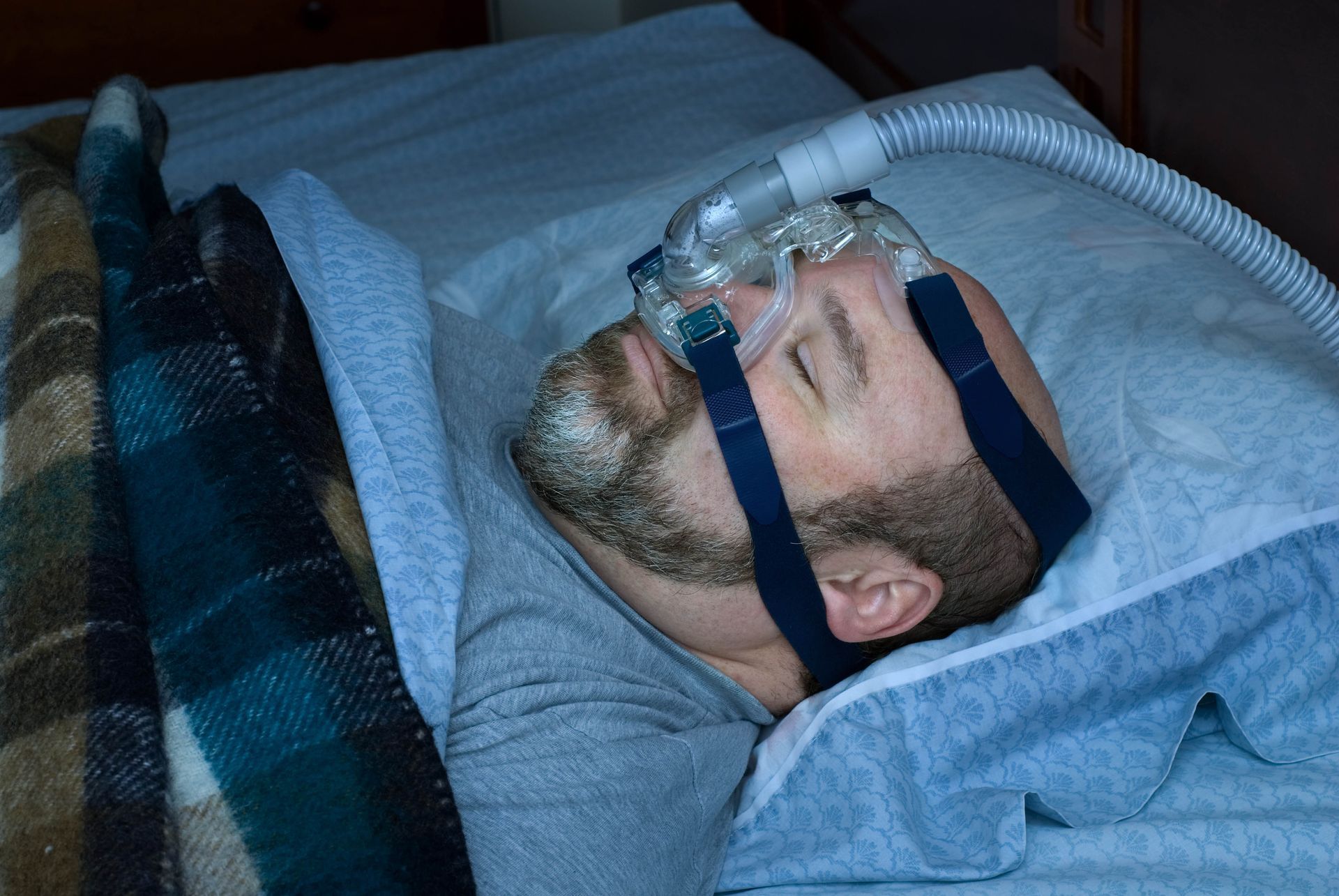
Various treatment options exist to manage and reduce the effects of sleep disorders. Behavioral therapies, such as cognitive-behavioral therapy for insomnia (CBT-I), focus on adjusting sleep habits and thought patterns. Continuous positive airway pressure (CPAP) machines are commonly used to address sleep apnea by helping keep airways open during sleep. Medications may be prescribed for conditions like restless legs syndrome or narcolepsy to reduce symptoms. Integrating lifestyle changes alongside medical care can improve overall outcomes.
The path toward improved sleep is often gradual and may require patience. Noticeable changes in sleep quality and symptom reduction may take several weeks or months. Behavioral therapies require consistent effort before benefits become apparent. Equipment like CPAP devices often involves an adjustment period before becoming comfortable to use. Understanding this timeline helps patients maintain realistic expectations as treatment progresses.
A successful treatment experience also requires active participation from the patient. Following scheduled appointments and test instructions allows your doctor to adjust care plans based on accurate information. Adhering to recommended therapies and lifestyle adjustments supports better results. Communicating openly about challenges or concerns helps address obstacles early. Patient involvement plays a key role in improving long-term sleep health.
Regular follow-up appointments remain an important part of managing sleep disorders. These visits allow your sleep doctor to monitor progress and make adjustments to treatment plans when needed. Changes in symptoms or lifestyle factors may require a reevaluation of therapies. Follow-ups provide opportunities to discuss treatment responses and address any difficulties. Consistent check-ins help maintain progress after initial visits to sleep doctor offices.
Preparing for an appointment at sleep doctor offices can help you get clearer answers about sleep concerns and move toward more restful nights. Bringing organized information, tracking symptoms, and asking thoughtful questions can make consultations more productive and help guide your treatment plan. If you're looking for experienced care, schedule a consultation with the team at Pulmonary & Sleep Medicine Associates, LLP to work with one of the leading sleep doctor offices dedicated to helping patients address ongoing sleep challenges!







Share On: